Currently browsing category

Knowing Allah

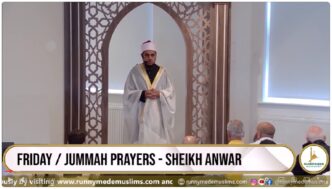
Al‑Jabbār: Divine Majesty, Consolation, and the Healing of Broken Hearts

By Shaykh Anwar Mady
“* Al‑Jabbār is a Name of both power and mercy — Allah is mighty, yet He consoles, heals, and restores broken hearts.
* Allah is far above all creation, yet very close to us, hearing every duʿā’ and knowing every struggle.
* Allah controls everything in the universe, but humans have free choice in faith and actions and are accountable for them.
* Al‑Jabbār mends: He strengthens the weak, heals the sick, enriches the poor, and gives victory to the oppressed.
* When people of power humble themselves before Allah, His mercy descends upon all..”

Al‑Wakīl: Entrusting All Affairs to Allah in a World of Anxiety

By Shaykh Anwar Mady

In this deeply reflective Friday khutbah, Sheikh Anwar Mady calls believers to renew their understanding of tawakkul (reliance upon Allah) through one of Allah’s most essential Names: Al‑Wakīl — the Ultimate Trustee and Disposer of all affairs.

Understanding Allah’s Name Al‑Mu‘ṭī — The Giver: Wisdom in Divine Giving and Withholding

By Shaykh Anwar Mady

Allah gives both believers and non‑believers in this worldly life, but He gives the Hereafter only to those He loves. Giving is not always a sign of honour, nor is withholding necessarily a sign of rejection. Sometimes Allah withholds out of mercy, protecting the believer from what may lead them astray. A believer should ask Allah only for provisions that draw them closer to Him, not those that distract from worship.

Purifying the Heart and Understanding the Hidden Messages of the Qur’an

By Essam Mahgoub

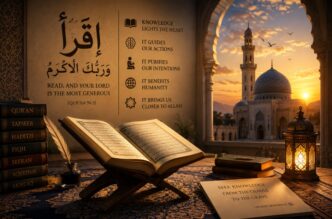
The Qur’an contains not only clear instructions but also subtle, deeper meanings that can be grasped only by a heart enlightened by the remembrance of Allah. Ustadh Essam Mahgoub stresses that true engagement with the Qur’an requires both recitation and reflective understanding. A major theme of the khutbah is the Qur’an’s use of three distinct terms for wrongdoing — ithm, dhanb, and sayyi’ah — and how each carries a different spiritual and legal implication:

A Good Ending (Husnal Khatimah)

By Ustadh Hassan Elwan

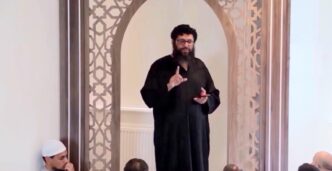
Every believing Muslims desires to have a good ending. During our lifetime we make mistakes, commit sins and things get messy, but we all want to be in the best of our deeds when we die. T is khutbah explains how we can stay focussed, how we can avoid the pitfalls and distractions that are really traps set by Shaitaan.